
Key Points
- After his diagnosis at age 42, Bobby tried various medications for four years but they caused him to become depressed and disengaged from his family.
Focused ultrasound treatment relieved his tremors and motivated him to launch the Be Still Foundation. - When Bobby Krause was diagnosed with young-onset Parkinson’s disease, the former college athlete and sales executive was determined not to let the condition define him. Bobby has turned his experience into a movement of hope, advocacy, and access.
At age 40, Bobby noticed what he thought was a nervous tick on the left side of his body. Over the next two years, his symptoms became more prominent as he began experiencing dystonia and dyskinesia (involuntary muscle spasms and movements).
“When I was sleeping or sitting still at a meeting, that’s when the tremors got much worse and became more of a challenge for me to manage both physically as well as mentally,” explained Bobby.
After his formal diagnosis at the age of 42, Bobby tried various medications for about four years, but they left him feeling depressed.
“For me, the medication was worse than the disease itself. I felt broken. You go through stages of embarrassment, being ashamed. I became somewhat of a recluse and even avoided spending time with my family.”
His breaking point came at his son’s birthday party.
“I overheard my son apologizing to some of his friends, saying, ‘My dad doesn’t usually act like this. He has Parkinson’s, and he’s on medication.’ As a dad who absolutely loves his family and feels like I was put on this earth to be a father and a husband, I immediately called my doctor. That was the moment that my medical team and I decided we were going to find an alternative treatment. My physicians at the University of Pennsylvania had been watching the focused ultrasound trials closely and suggested I try it.”
During the treatment, Bobby recalls the moment his tremors disappeared.
“All of a sudden, my arms went completely still…the overwhelming sensation of violently having tremors for the past 10 years and then have them go completely away was an uncontrollable emotion. I sobbed tears of joy just knowing that they were gone.”
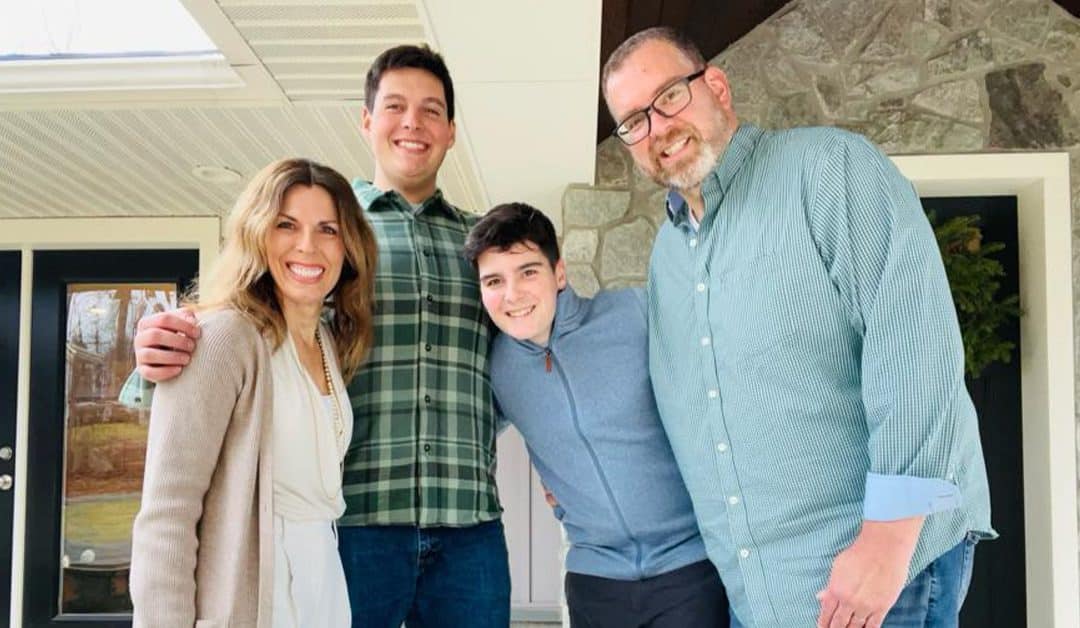
Bobby’s sons were overcome with joy when he returned.
“They were waiting in the driveway for me, and both my sons were crying. In fact, that night, we got our flashlights and went for a hike on the same day that I had this life-changing procedure.”
Although focused ultrasound isn’t a cure for Parkinson’s disease, it can treat several of its most debilitating symptoms.
“It removes a significant symptomatic hurdle for patients like me to have improved quality of life, a reduction in pain, and the opportunity to focus on other symptoms of Parkinson’s disease.”
In July 2025, the FDA approved bilateral focused ultrasound for Parkinson’s, allowing certain patients to receive the procedure on both sides of the brain in separate sessions. This builds on prior approvals of focused ultrasound treatment for tremor, rigidity, and dyskinesia (three difficult symptoms of Parkinson’s).
Now more than three years later, Bobby is still tremor-free and has become an advocate for fellow patients with Parkinson’s disease.
Advocacy Through Authenticity
After focused ultrasound treatment, Bobby realized that his story could have a powerful impact. He began sharing it publicly, inspiring audiences across the country— from Princeton University to Capitol Hill. His before-and-after videos have captivated policymakers and patients alike, by showing the immediate, transformative results that focused ultrasound can provide.
What began as a personal victory soon became a public mission to help others experience that same transformation.
“It’s about offering hope and articulating what both patients and caregivers go through.”
The Be Still Foundation
In 2024, Bobby founded the Be Still Foundation, a nonprofit organization dedicated to expanding access to focused ultrasound treatment for people with tremor-dominant Parkinson’s disease. Be Still provides financial assistance, education, and awareness for patients seeking treatment and helps cover costs like cash-pay procedures, insurance deductibles, travel, and other related expenses.
“With Parkinson’s now being the fastest-growing neurodegenerative disease, everyone will soon know someone affected by it. We all have a role to play in spreading awareness, supporting innovation, and giving people hope. I wanted to allow anybody who wanted focused ultrasound treatment to have it done and not be limited by financial resources.”
View the Original Article from The Focused Ultrasound Foundation